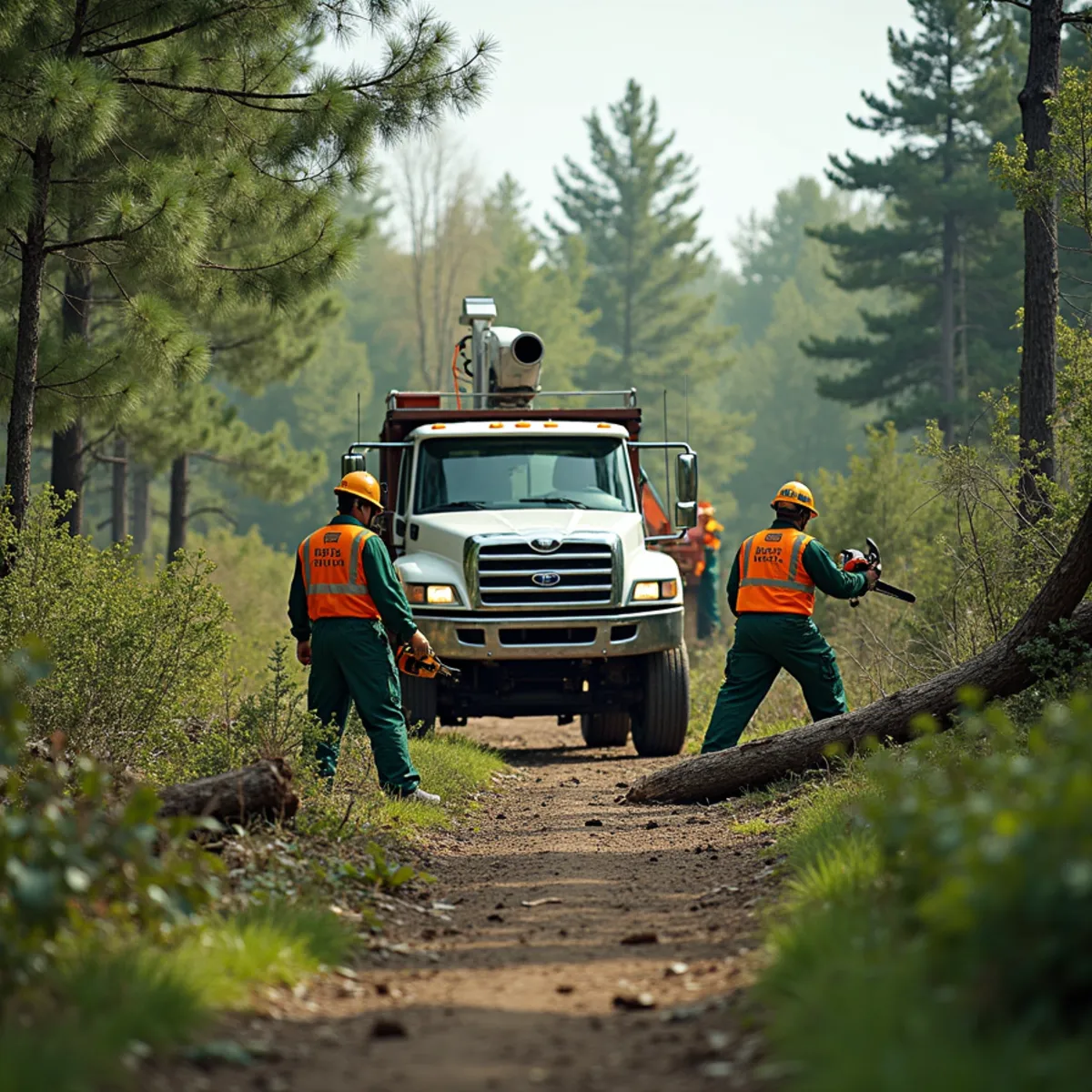
We know the difference between a scene that needs immediate stabilization and one that can wait for an insurer inspection, and we will tell you which is which. You get photos of the condition and the finished work for your property and claim records.
Timing matters as much as muscle after a storm. The first crew on site should be reading the scene, not just running saws — which limbs are loaded and which have already released, where the utility conflicts are, and which trees are hung up and waiting to move. We work that sequence deliberately: make the scene safe, clear what has to move now, and schedule the rest with a written scope. That approach keeps a chaotic morning from turning into a second accident, and it gives you a clean record of what was done and why when the insurance adjuster comes calling.
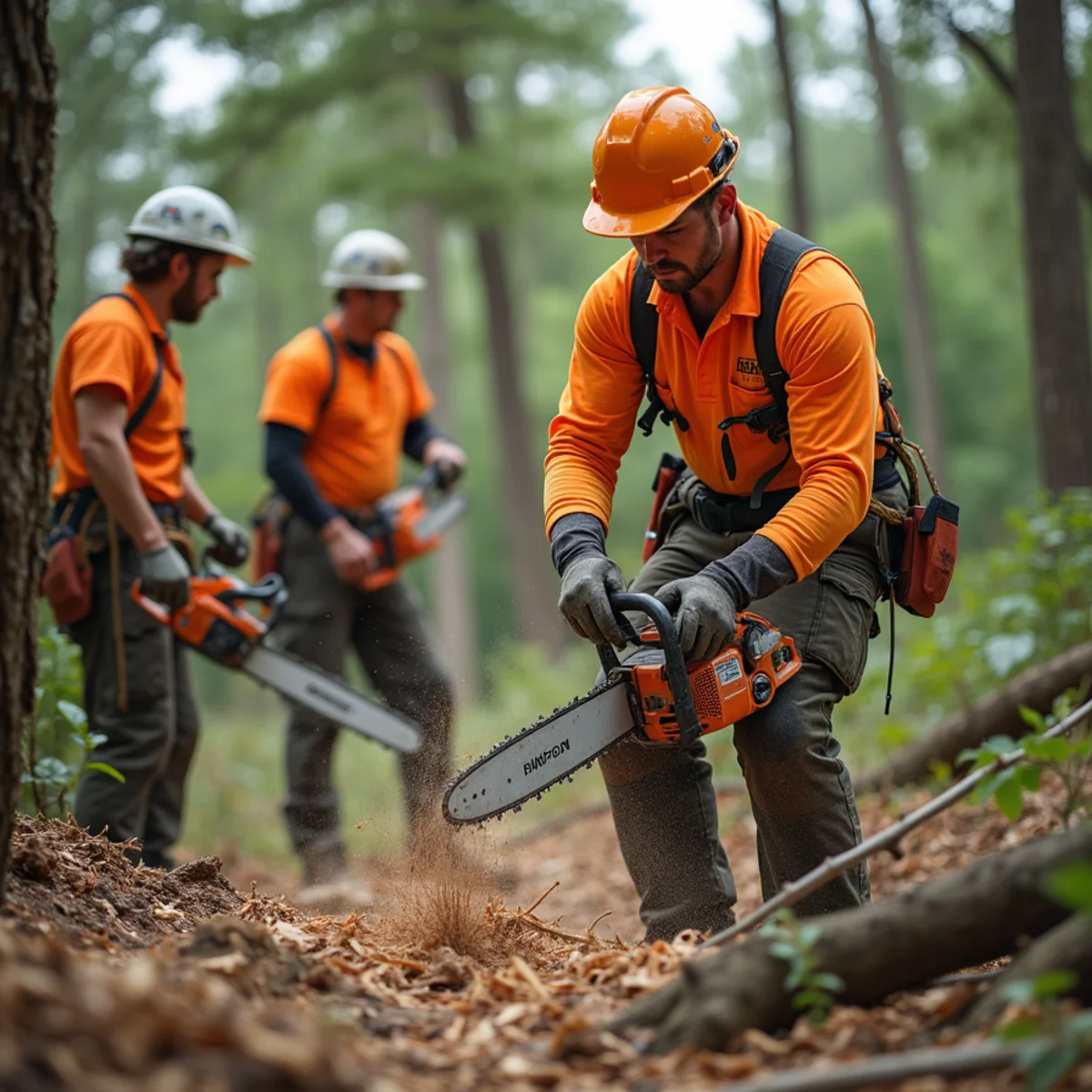
Common storm-damage conditions
- Uprooted or wind-thrown trees across driveways, roofs, or fences.
- Split trunks and cracked unions left standing after high wind.
- Hanging limbs and broken tops lodged in the canopy.
- Snow- and ice-loaded branches sagging or failing over targets.
- Trees leaning against a structure or another tree ("hung up").
- Debris fields of brush and logs blocking access.
What's Included in Our Storm Damage Cleanup
Our storm cleanup process
- 1Hazard isolation and a safe work zone before any cutting.
- 2Assessment of standing hazards, hung-up limbs, and utility conflicts.
- 3Utility coordination when a line is involved — the utility goes first.
- 4Controlled removal of failed and unstable material, section by section where needed.
- 5Property protection for structures, lawns, and beds during the work.
- 6Debris cleanup to the agreed standard and documentation for your insurer.
Need storm damage cleanup in Howard City?
Free written estimates · 24/7 emergency response.
What affects storm cleanup cost
Storm work is priced by the amount of damage, the instability of the scene, and access. A single fallen tree cleared from a yard is straightforward; a multi-tree failure with hung-up limbs over a house and a line is a careful, staged job. We scope it clearly and separate emergency stabilization from later removal and restoration.
- Number of trees down and how much material is involved
- Whether trees are on structures, hung up, or on the ground
- Utility involvement and required coordination
- Access on wet, snowy, or debris-covered ground
- Haul-away volume and final restoration
Document before cleanup — when it is safe
If it can be done safely, photograph the whole tree, the point of failure, the damaged structure or vehicle, and the access route before cleanup begins. Do not delay an urgent safety response to build a perfect record. Contact your insurer before non-essential cleanup, keep every estimate and receipt, and ask us for a written scope that separates emergency work from the rest.
Storm-Cleanup Mistakes to Avoid
The hours after a storm are when most tree injuries and bad decisions happen. Keep these in mind before anyone picks up a saw.
- Wading in before reading the scene. Hung-up limbs and leaning trunks hold enormous stored energy — the first job is to identify what is still loaded, not to start cutting.
- Cutting spring-loaded wood. A bent or pinned limb can whip back the moment it is freed; this is the classic post-storm chainsaw injury.
- Clearing before documenting. Photograph the damage first — your insurer needs it, and cleanup erases the evidence.
- Signing with a storm-chaser. Crews that appear overnight demanding cash are a red flag; stick with insured, verifiable local companies.
- Missing the second hazard. A storm that broke one limb often cracked another union or loosened a neighboring tree — a whole-site look catches what a quick cleanup misses.
Why Choose D & B Tree Service for Storm Damage Cleanup
24/7 storm response
We answer around the clock and prioritize the most dangerous jobs first after a big blow.
Insurance-ready paperwork
Line-item scopes, photos, and receipts that make your claim smoother from the start.
Weather-tested locally
We know the wind, ice loading, and dead-ash failures this region throws at trees.
Licensed & insured
Verifiable coverage for fast, heavy work near your home and lines.
Storm Damage Cleanup Across West Michigan
West Michigan storms do not respect city limits, and neither does our cleanup. We clear downed and damaged trees across Howard City, Reynolds and Pierson Townships, Greenville, Lakeview, Cedar Springs, Newaygo, Fremont, Big Rapids, and the rural roads between — anywhere wind, snow, or ice has left a mess to make safe.
Storm Damage Cleanup FAQs
Related Reading
Storm-Damaged Trees and Insurance: A Practical Claims Guide
What to photograph, when to call your insurer, and how a good tree company’s paperwork supports your claim.
Storm & InsuranceProtecting Your Trees from Snow and Ice Damage
Heavy snow and ice loading is one of the top causes of tree failure here. A little preparation in fall prevents a lot of damage in January.