7 Signs a Tree on Your Property May Be Hazardous
By D & B Tree Service · February 18, 2026 · 6 min read
Most trees give warning signs long before they fail. Learning to spot them lets you deal with a problem on a calm afternoon instead of during the next windstorm. Walk your property with these seven signs in mind, paying closest attention to trees that could reach a house, driveway, play area, or line.
1. A new or worsening lean
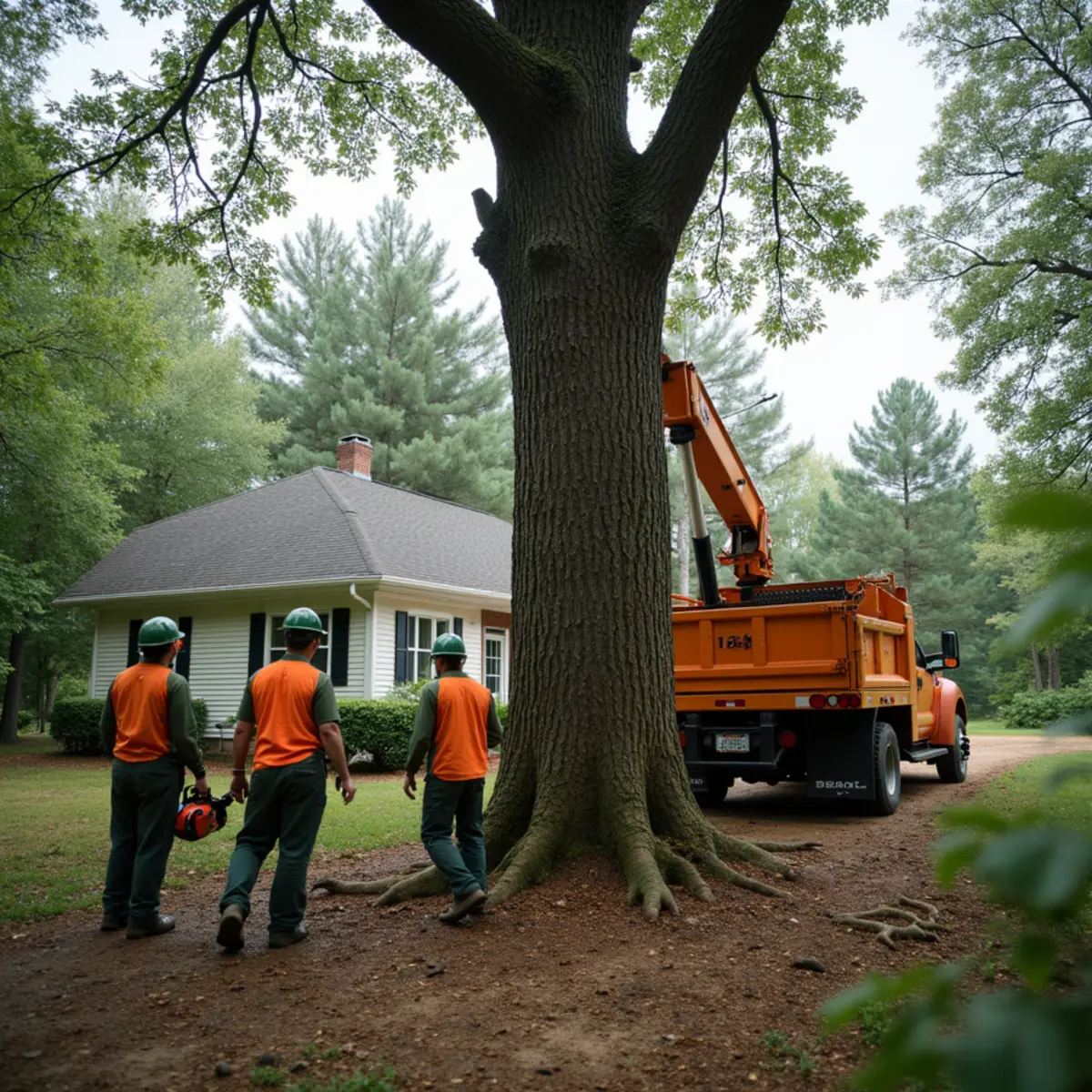
A tree that has always leaned may be perfectly stable. A tree that recently started leaning — especially with cracked or heaving soil on one side of the base — is a serious concern, because it can mean the root plate is failing.
2. Soil heaving or cracking at the base
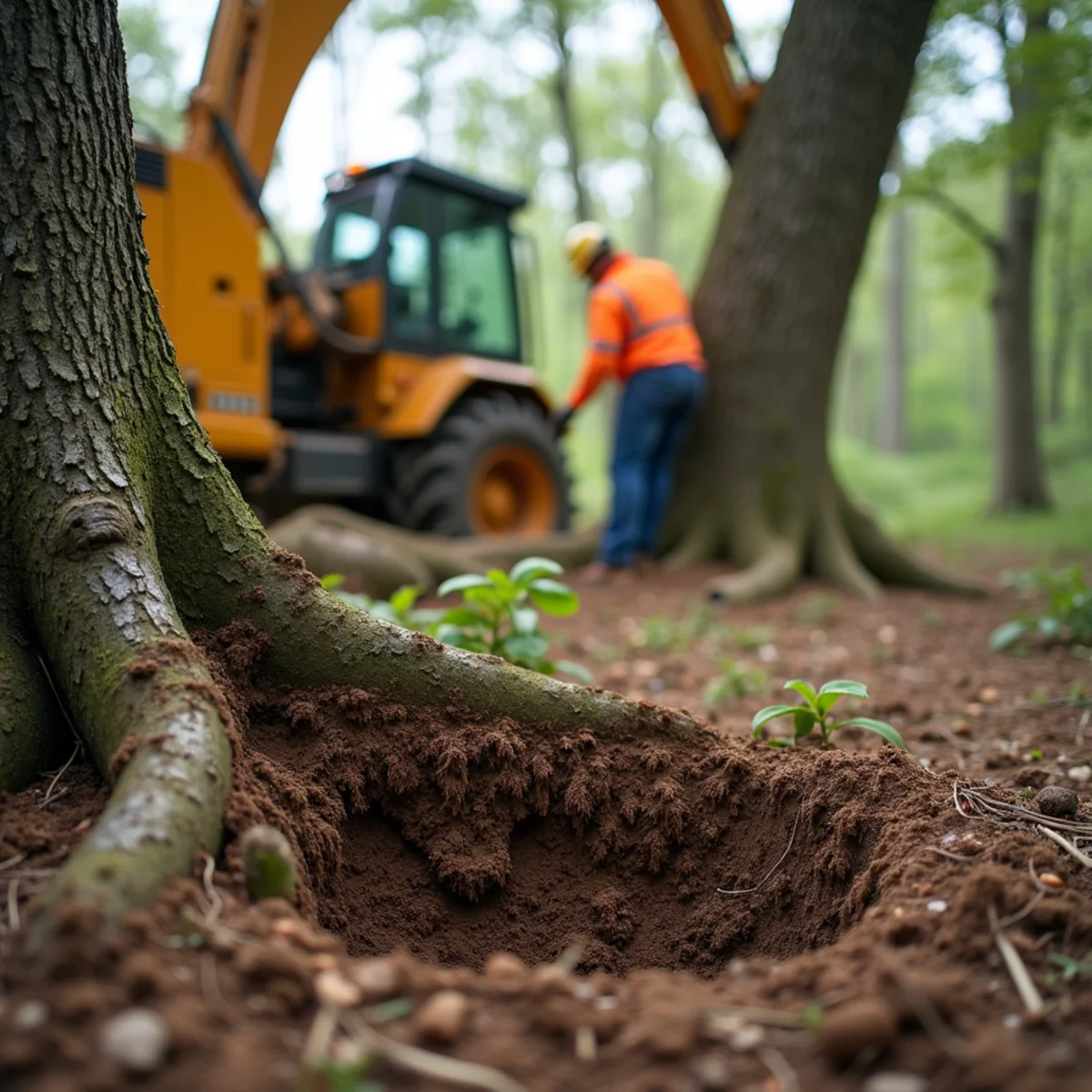
Look for raised or cracked soil, or exposed roots lifting on the opposite side of a lean. That is the root system letting go, and it often precedes a full uprooting.
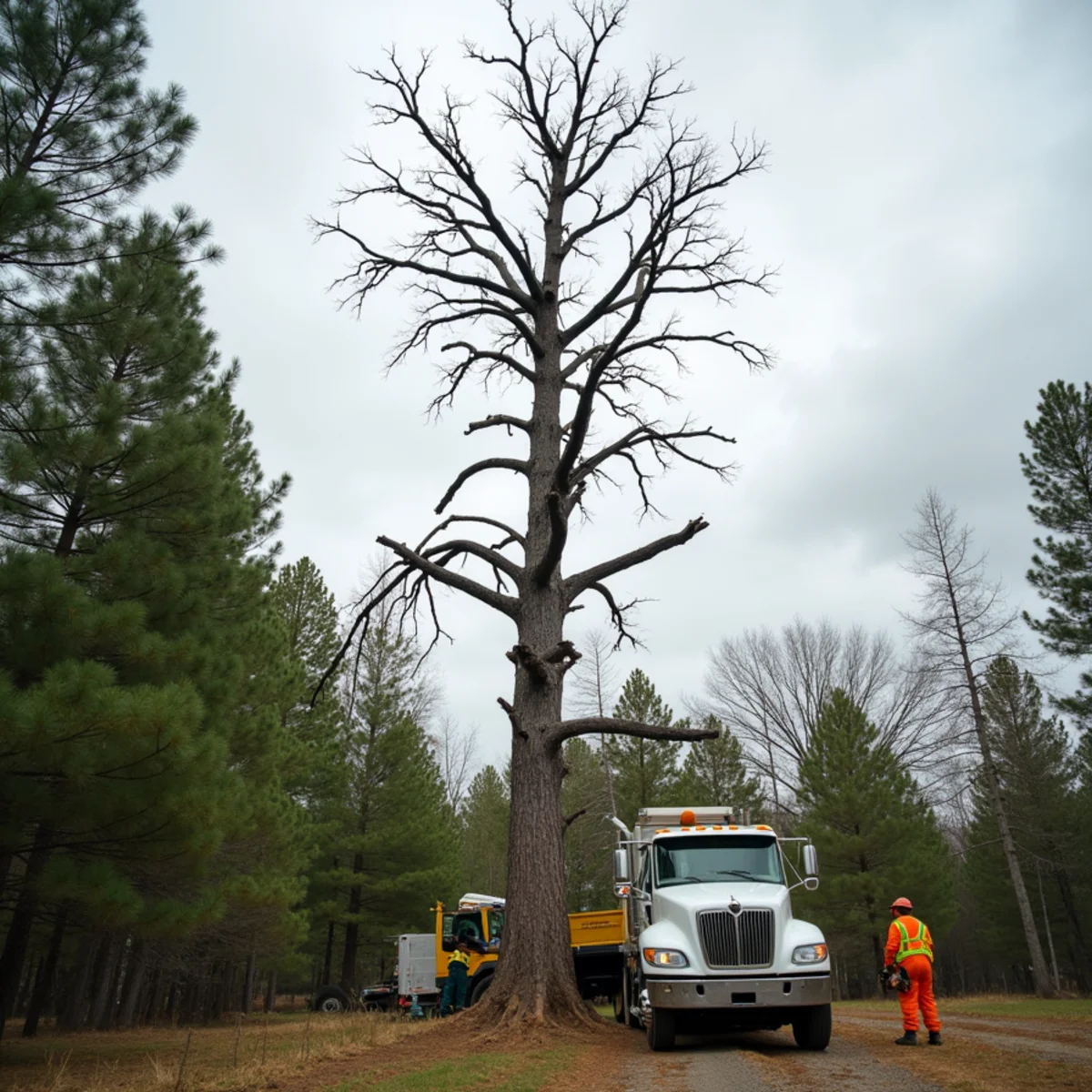
3. Dead limbs and a thinning canopy
Large dead limbs (widow-makers) can drop without warning. A canopy that leafs out late, thin, or not at all — very common in ash killed by emerald ash borer — signals a tree in decline.
4. Cavities, decay, and fungal conks
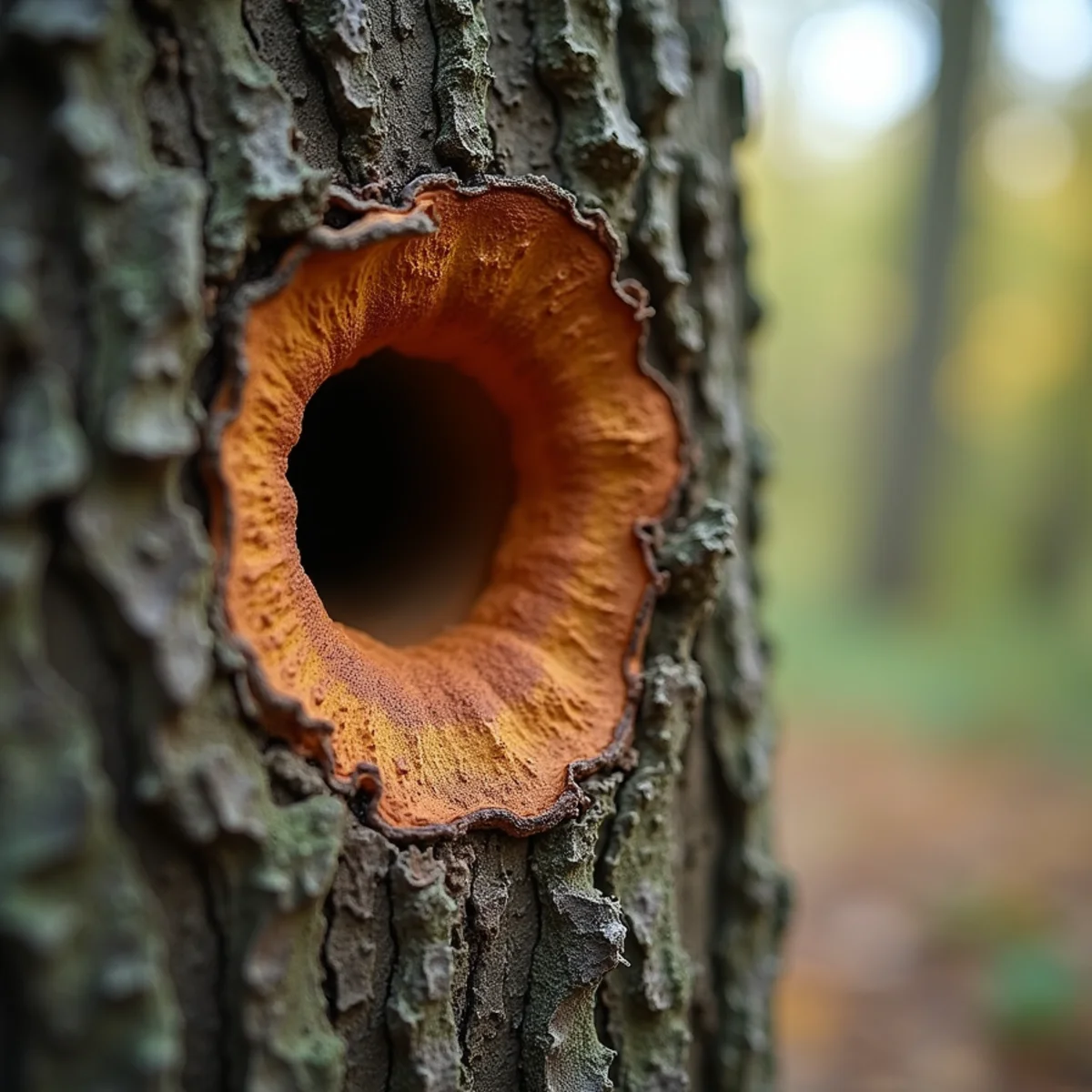
Open cavities, soft or crumbling wood, and shelf-like fungal conks at the base or on the trunk all point to internal decay that weakens the tree’s structure.
5. Cracks and weak unions
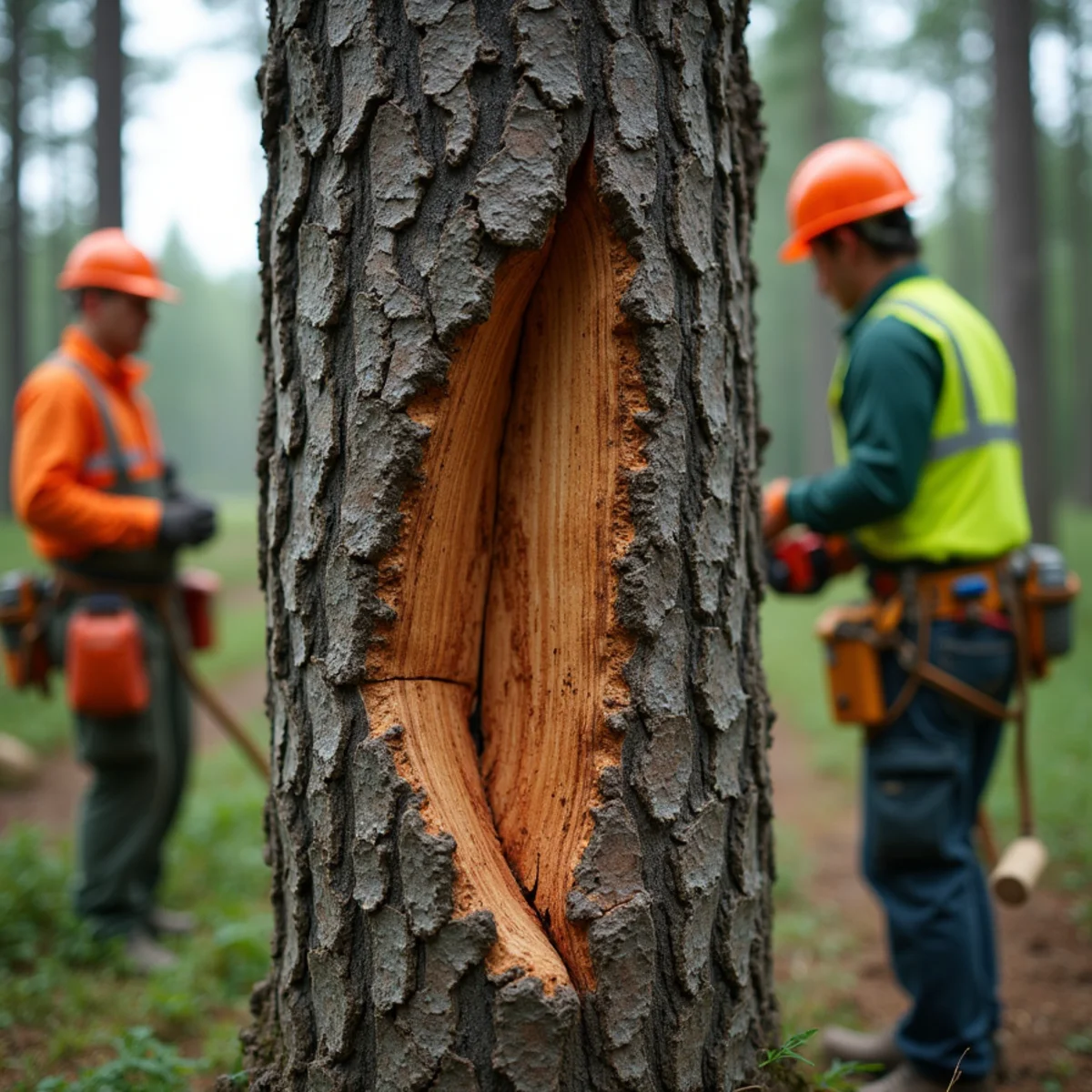
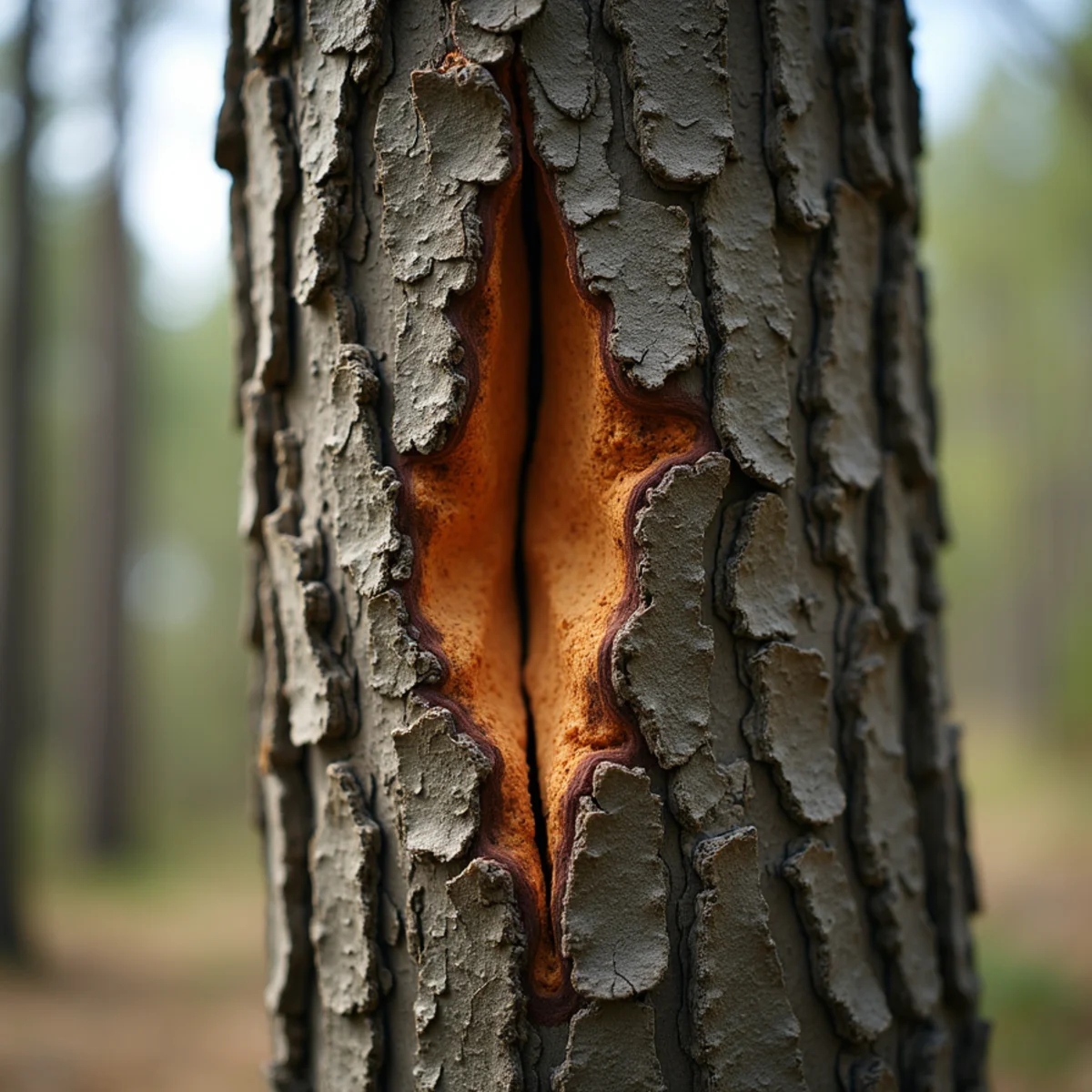
Vertical cracks in the trunk, or a tight V-shaped union where two stems press together with bark trapped between them (included bark), are common failure points — especially over a target.
6. Storm damage from a previous event
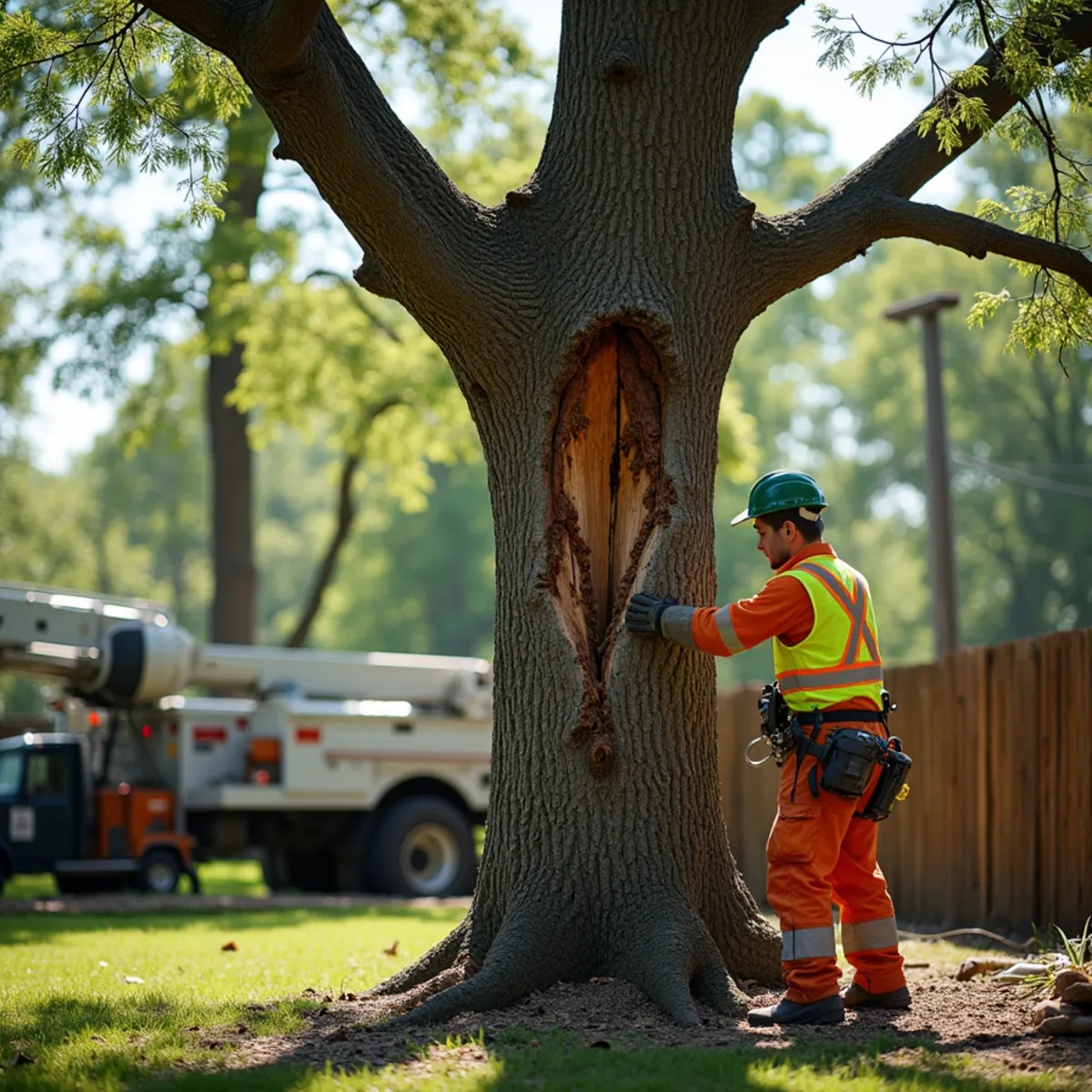
A tree that lost a major limb or part of its crown in an earlier storm may be unbalanced or have exposed wounds that are now decaying. Old damage is a reason to look closer.
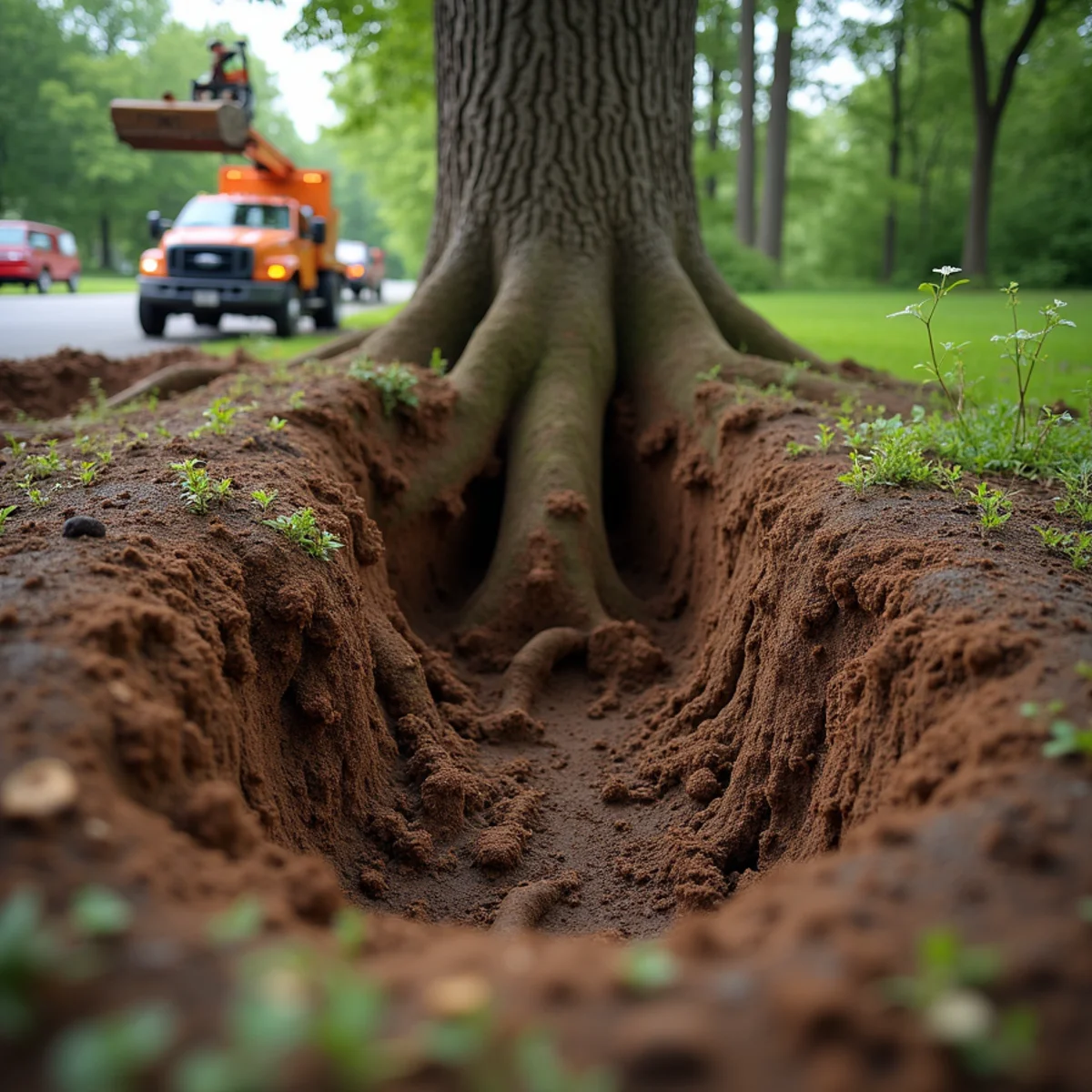
7. Roots damaged by construction or trenching
If a driveway, addition, or utility trench cut through the root zone in recent years, the tree may be quietly declining or losing stability even if the canopy still looks fine.
What to do if you see these signs
A 10-Minute Seasonal Tree Check Any Homeowner Can Do
You do not need to be an arborist to catch most problems early — you need a routine and a few minutes. Twice a year, ideally once in winter when the structure is bare and once in full summer leaf, walk your property with these steps.
- 1Stand back and look at the whole tree. Is it symmetrical, or does one side lean or look heavier than it used to? A canopy that has shifted is worth a closer look.
- 2Check the base and the ground. Look for mushrooms or shelf fungi, cracked or heaving soil, and lifting roots. Circle the trunk completely.
- 3Scan the trunk and major unions. Vertical cracks, seams, cavities, missing bark, or a tight V where two stems press together are all flags.
- 4Look up into the canopy. Note dead limbs, hanging broken branches, and any area that leafs out late or thin compared with the rest of the tree.
- 5Compare to last time. The single most useful signal is change — a lean that is new, a canopy thinner than last year, a crack that has grown.
Certain events always warrant a check regardless of the calendar: any major storm, nearby construction or trenching that may have cut roots, and the sudden death of a similar tree nearby. Photograph anything that concerns you so you can track whether it is worsening — and when several signs cluster on a tree that could reach your house, that is the moment to bring in a professional rather than let the next windstorm decide for you.
One warning sign is worth watching; several together, on a tree near a target, is worth a professional look. A tree risk assessment tells you whether the right move is pruning, a support system, monitoring, or removal — so you spend money where it actually reduces risk. When you are unsure, our guide on whether to prune or remove a tree walks through the decision.
D & B Tree Service provides free written estimates across Howard City and the surrounding West Michigan communities. For a storm hazard, call any time — the emergency line is answered 24/7.
Related services from D & B Tree Service
Serving tree service in Howard City, tree service in Rockford, tree service in Cannonsburg and across West Michigan.